

 Shopify blog


When a customer buys a gift card, your business receives payment upfront, and the recipient applies the balance to an online or in-store purchase. Gift cards let customers introduce others to your brand and choose what they buy.
Gift cards are big business. The digital gift card industry is expected to reach $2.0 trillion by 2027. During the 2025 holiday season, US shoppers were expected to spend about $29 billion on gift cards, the second-most-popular gift.
This guide explains how gift cards work for retailers, their benefits, how to process them, and how to run a successful gift card program.
Benefits of accepting gift cards as payment
Gift cards generate cash before merchandise is redeemed, increase the value of some purchases, and create revenue from eligible unused balances. They can also introduce new shoppers, reward existing customers, and bring recipients back after the holidays.
Increase revenue
When a customer buys a gift card, the retailer receives cash before providing any merchandise. The retailer gets interest-free use of that money until the card is redeemed. The card amount stays on the balance sheet as a liability during that time.
If the customer selects something priced above the card balance, they pay the difference. An unused balance is known as breakage. Retailers could recognize expected breakage as revenue in proportion to gift card redemptions.
Find new customers
Gift cards let regular customers send friends and family to your store. During the 2025 holiday season, 43% of US shoppers planned to buy at least one gift card.
A recipient who has never shopped with you now has money to spend there. Donating a gift card to a local fundraiser may also bring the recipient into your store for the first time.
Increase customer loyalty
Retailers can use gift cards as targeted rewards. For example, give customers a $10 gift card after they buy $100 worth of gift cards.
Make the bonus card redeemable after the holidays to encourage a return visit in January. You know the maximum cost before the promotion starts. Other ways to use gift cards to build customer loyalty are birthday gifts and referral rewards.
Increase post-holiday sales
A gift card bought in December may be redeemed in January or February. That redemption brings the recipient back after the holiday rush. If the purchase exceeds the card balance, the customer pays the difference.
Use last year’s redemption dates to estimate when customers will visit and how much first-quarter inventory you’ll need.
Help you compete with major retailers
Gift cards give smaller retailers a convenient option for last-minute gifts and hard-to-shop-for recipients. Sell digital cards online and physical cards at the register. Let buyers add a gift message.
Brooklinen, for example, sells e-gift cards with their bedding and bath products. The recipient selects the sheets, towels, or other products they want.
Promote gift cards on your website and beside the register so customers know they’re available.
Types of retail gift cards
Gift cards are one of several retail payment options a store can accept. Retailers work with three common gift card types: Closed- and open-loop gift cards describe where a card can be spent. Digital gift cards describe the delivery method and can apply to either type of card.
The gift card types US shoppers planned to buy most in 2025 were restaurant, bank-issued open-loop, and department-store cards.
| Type | Where accepted | Format | Common fee |
|---|---|---|---|
| Closed loop | Same retailer or related brands | Physical or digital | Usually no activation fee |
| Open loop | Any merchant accepting the network | Physical or digital | Often requires a purchase or activation fee |
| Digital | Retailer or network locations | Email, text, or app | Varies by issuer |
Closed loop
A closed-loop gift card works only with the retailer that issued it. It may be valid on the retailer’s website, in their stores, or at sister brands. Store cards typically have no activation fee.
Beard & Blade sells a closed-loop e-voucher that works on any product in their store. The voucher is emailed after checkout and can be used immediately.
Closed-loop cards give small retailers control over card values, balances, and redemptions. Customers can use them only with the business that sold them.
Open loop
An open-loop gift card carries a payment network logo, such as Visa or Mastercard. It works at merchants that accept that network, subject to the card issuer’s terms.
Banks and card companies issue open-loop cards. Retailers do not issue them as store cards. Open-loop gift cards often carry a purchase or activation fee. At checkout, the retailer processes an open-loop gift card through their payment processor like a credit or debit card.
For example, a Visa gift card used to buy shoes from Vessi is an open-loop payment. Vessi did not issue the card, and the remaining balance is not tied to their store.
Digital gift cards
A digital gift card, also called an eGift card, is sent by email, text, or an app. At online checkout, the recipient enters the code as one of the store’s online payment methods. In a store, the cashier scans the card’s barcode.
For the first time, two-thirds of consumers now favor digital gift cards over physical ones, citing instant delivery (70%) and ease of sharing (51%).
Gymshark sells eGift cards that are delivered by email and redeemed online at checkout. The cards have no processing fees or expiration date. Shopify POS lets retailers sell physical and digital gift cards. Customers can redeem either format online or in store.
How to accept gift cards at your retail business
Here’s how a store gift card transaction works:
- Sell the card. The POS collects payment, assigns the value, and activates a unique code.
- Give it to the customer. Send a digital card by email or hand over a physical card.
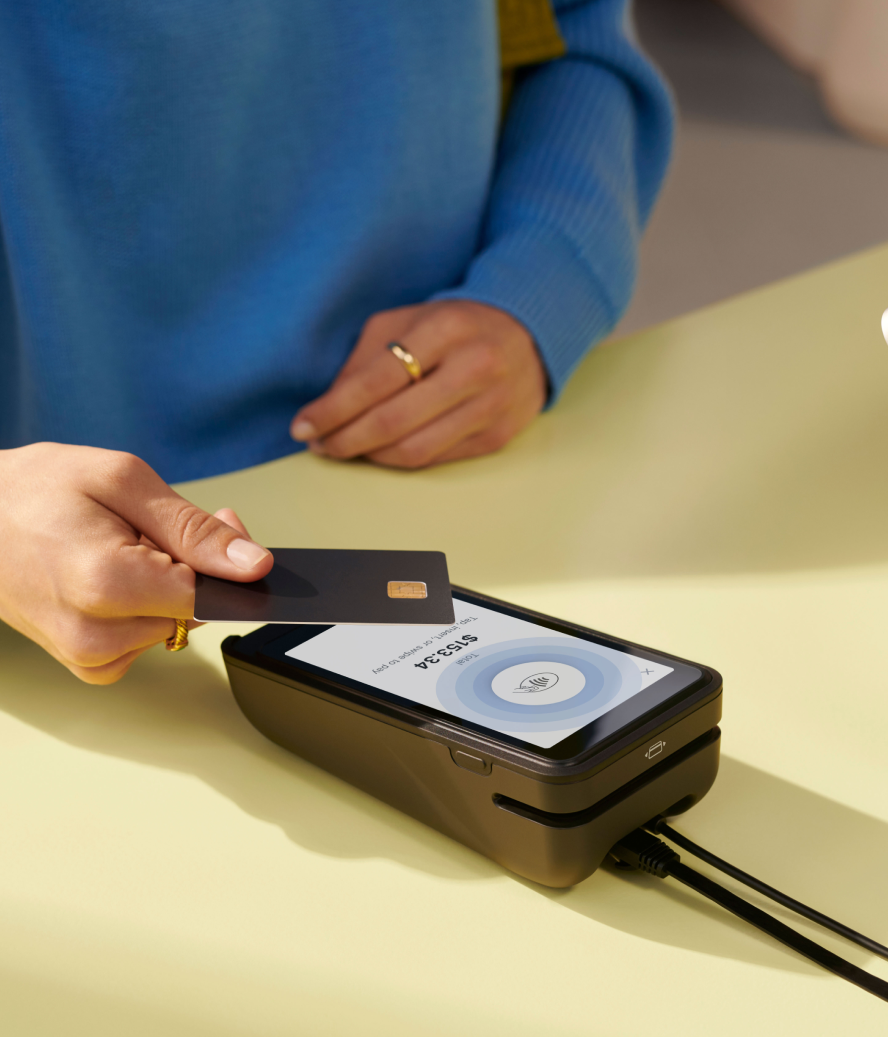
- Redeem the card. During the ecommerce checkout flow, the customer enters the gift card code in the payment field. In a store, the cashier scans the card.
- Apply the balance. The POS deducts the purchase amount from the gift card balance. The customer pays any difference, and unused funds stay on the card.
- Record the sale. The POS updates the balance. The redeemed amount moves from a gift card liability to revenue.
Get a POS system that accepts gift cards
Use a POS system that can issue cards, verify codes, accept split payments, and track outstanding balances.
Gift cards are available on all Shopify subscription plans. Activating the feature has no added fee. Staff can sell physical or digital cards, scan a QR code or barcode, and enter a code manually.
An integrated payments setup records gift card sales and redemptions in the same system as other transactions. With Shopify POS, balances update automatically across the online store and every retail location. Staff can send refunds to the original card or a new one. They can also replace a lost card.
Understand gift card laws
Federal and state laws govern expiration dates, inactivity fees, and cash redemption. Under federal rules, an inactivity fee generally cannot be charged until a card has gone unused for at least 12 months. No more than one inactivity fee can be charged per month. Gift card funds generally cannot expire for at least five years.
State laws may give customers more protection. For example, California generally bans gift card expiration dates. As of April 1, 2026, customers in California can request cash for a gift card balance under $15.
Gift card sales also need different accounting. Record the payment as cash and a gift card liability. When the card is redeemed, reduce the liability and record the sale as revenue. Eligible unused balances may later be recorded as breakage.
This is general information, not legal or accounting advice. Ask an attorney or accountant about the rules where your business operates.
Create physical and/or digital gift cards
Sell physical cards, digital cards, or both. Shopify POS can email a digital card, print one from a receipt printer, or activate a physical card by scanning its code.
Order customizable physical gift cards from the Shopify Hardware Store in supported countries. You can also buy cards from another supplier and add their unique codes to Shopify POS.
Online gift card orders create digital cards. A gift card created directly in the Shopify admin can hold up to $2,000 or the equivalent. A gift card product denomination can be as high as $10,000 or the equivalent.
Use a gift card app
Shopify already processes standard gift card sales and redemptions. Install an app if you need branded designs, scheduled delivery, loyalty rewards, or bulk migration:
- Rise.ai: Gift cards, store credit, and rewards.
- Govalo: Custom digital cards and scheduled delivery.
- Growave: Gift cards as loyalty rewards.
- Selling Point: Existing card codes and balances.
Apps set their own subscription and usage fees. Review the current price before installing one.
Tips for optimizing your gift card program
Use these five tactics to sell more gift cards and bring customers back to redeem them.
Offer gift cards for returns and exchanges
When a return falls outside your normal policy, offer store credit on a gift card if local law and your posted terms permit it. The customer gets value back, and the sale stays with your business.
Shopify POS can refund a purchase to the original gift card. It can also issue a refund to a new gift card when the customer paid with another method.
You can also issue gift cards to reward employees, thank VIP customers, or resolve a service problem. Track these cards separately from cards that customers purchase.
Tie gift cards to a loyalty program
Add a fixed-value gift card to your loyalty program. For example, issue a $10 gift card after a member spends $200. Send the reward after the return period closes so refunded purchases do not count toward the spending requirement.
Lola’s Cupcakes links rewards to customer spending through Lola’s Love Club. Members earn five points for every £1 spent, and each point is worth 1p online or in stores. Stores can issue gift cards once members reach a set points balance.
Reward referrals with gift cards
Offer a gift card after a referred customer completes a qualifying purchase. For example, give the referring customer a $15 gift card after their friend spends $75 and keeps the order through the return period.
Set minimum purchase amounts and limits on repeat rewards. Your referral program can also block self-referrals and duplicate accounts.
Offer digital gift cards
Digital gift cards arrive without shipping delays, making them useful for last-minute gifts. Let buyers choose the amount, add a message, and schedule delivery to the recipient.
Shopify gift cards can be added to Apple Wallet. This mobile wallet displays the current balance and a QR code that staff can scan in Shopify POS.
Make gift cards available everywhere you sell
Customers cannot buy gift cards they cannot find. Add them to your Gifts navigation and site search. Feature them in seasonal gift guides and display physical cards at the register.
Link directly to the gift card product page from holiday emails and social posts. The page should show the available values, delivery choices, and redemption terms.
Read more
- How to Effortlessly Manage Payroll as a Store Owner
- Retail Store Opening and Closing Procedures Checklist: A Step-By-Step Guide
- EMV Chip Cards are Coming to the U.S. (Here's What Merchants Need to Know)
- Cash on Delivery: How To Guide for Retail Businesses
- What is EMV and Why Should Merchants Use It?
- What Is a Third-Party Payment Processor and How Does It Work?
How do gift cards work for retailers FAQ
How do gift cards work for retailers?
Retailers sell gift cards for a set amount and record the payment as a liability. When the card is redeemed, the retailer reduces its balance and records the product sale. Customers pay with another method if the purchase exceeds the card’s remaining value.
How do retailers make money from gift cards?
Retailers receive cash when a gift card is sold, then record revenue when it is redeemed. Profit comes from product margins, spending above the card’s value, and breakage—the portion that is never redeemed. Accounting rules decide when breakage can be recognized as revenue.
How do retailers activate gift cards?
For a physical card, the cashier selects its value and scans the card’s barcode or enters its code into the POS. The card is activated after payment. Digital gift cards are activated when the retailer fulfills the order and sends the code to the recipient.
Is there a gift card that can be used anywhere?
Open-loop gift cards from Visa, Mastercard, American Express, or Discover can be used wherever that payment network is accepted. These cards often carry a purchase or activation fee. Some stores might not accept them for recurring payments or transactions that place a temporary hold on the card.
How do Shopify gift cards work?
Shopify stores can create physical and digital gift cards through Shopify admin or Shopify POS. Customers enter the unique code online or present it in store. The remaining balance updates across sales channels, and cards can be redeemed over multiple purchases. Gift cards are available on all Shopify plans.

